The Science of Cold Plunge Therapy and Why Winter is the Perfect Time to Start
-
Share
Cold plunge therapy has surged from niche wellness circles into mainstream consciousness, championed by athletes, biohackers, and everyday people seeking natural ways to enhance their health. From Scandinavian traditions of ice swimming to the modern Wim Hof Method, deliberate cold exposure has deep historical roots. Yet what makes this practice particularly intriguing isn’t just its trendiness—it’s the growing body of scientific research validating what cold water enthusiasts have known intuitively for centuries. Even more surprising? Winter, despite what your instincts might tell you, is actually the ideal season to begin your cold exposure therapy journey.
What Happens to Your Body During Cold Water Therapy
The moment you step into cold water, your body initiates a cascade of biological responses designed to protect and adapt. Understanding these mechanisms transforms cold plunge benefits from mysterious folklore into comprehensible science, making the practice less intimidating for newcomers.
When exposed to cold water, your blood vessels immediately constrict in a process called vasoconstriction, redirecting blood flow toward your vital organs to preserve core temperature. This isn’t simply discomfort—it’s your cardiovascular system getting a workout. Simultaneously, your body activates brown adipose tissue, a specialized type of fat that, unlike the white fat we typically try to lose, actually burns calories to generate heat. Research published in Frontiers in Physiology confirms that cold exposure activates this metabolic tissue, which can increase energy expenditure and potentially support healthy weight management.
Perhaps most significantly, cold exposure triggers a dramatic release of norepinephrine, a neurotransmitter that functions as both a hormone and brain chemical. Studies have documented increases of 200-300% in norepinephrine levels during cold water immersion. This surge enhances alertness, improves mood, and sharpens focus—effects that persist for hours after you’ve dried off and warmed up. The cold also stimulates your vagus nerve, a key component of your parasympathetic nervous system, helping to regulate your body’s stress response and promoting a sense of calm resilience.
What distinguishes therapeutic cold exposure from simply being uncomfortably cold is the element of control. When you choose to enter cold water, you’re engaging in controlled stress exposure, allowing your body to adapt and build resilience without the harmful effects of chronic, uncontrolled stress.
Why Cold Water Therapy Winter Practice Makes Perfect Sense
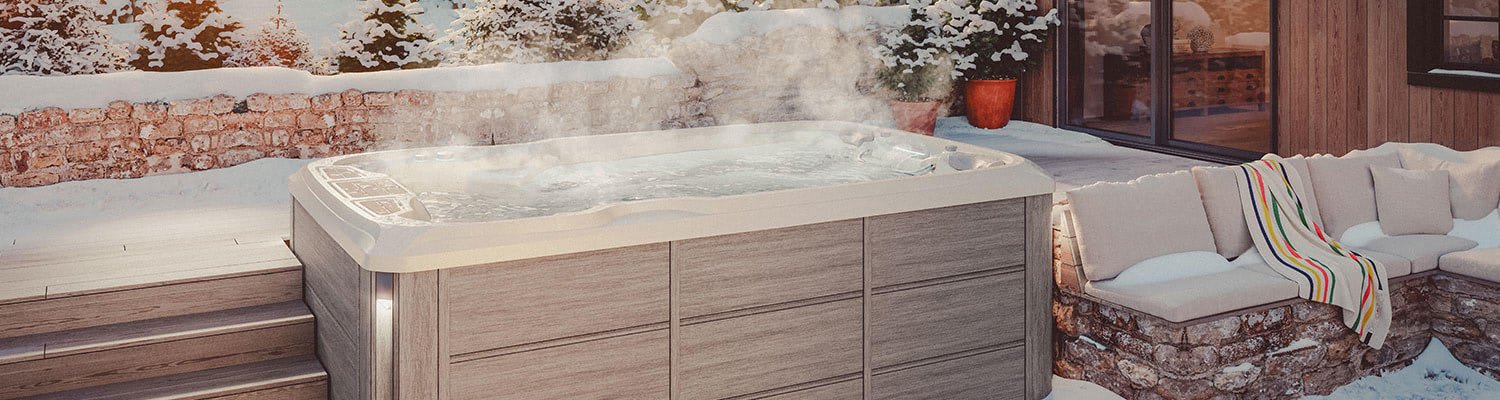
While jumping into frigid water might seem more appealing during summer’s heat, winter actually offers distinct advantages for beginning a cold plunge practice, particularly for the cold plunge benefits most people seek.
During flu season, immune support becomes paramount, and cold exposure therapy may offer protection. Research examining regular cold water immersion has found modest increases in immune markers including certain lymphocytes and immune-signaling molecules. While the immune effects are still being studied, a large Dutch study of over 3,000 participants found that those who took daily cold showers reported 29% less sickness absence from work compared to those who took only warm showers—a compelling finding during winter months when illness circulates widely.
Mental resilience during winter’s darker months represents another significant benefit. Seasonal affective patterns affect many people as daylight diminishes, but cold water therapy addresses this directly through neurochemical pathways. Research from PMC demonstrates that participants felt significantly more active, alert, attentive, proud, and inspired after cold water immersion, while feeling less distressed and nervous. These mood improvements weren’t fleeting—they were associated with measurable changes in brain connectivity patterns related to attention control, emotion regulation, and self-management.
Circulation enhancement becomes critical in winter when we’re naturally less active and spend more time indoors. Cold exposure forces your cardiovascular system to work efficiently, improving blood flow to extremities and supporting overall vascular health. The Mayo Clinic notes that cold water immersion can help reduce exercise-induced muscle inflammation and support recovery through its effects on blood vessel function.
Counterintuitively, starting your cold plunge practice in winter offers a gentler adaptation curve. When ambient temperatures are already cool, the contrast between air and water temperature is less severe than plunging into 50°F (10°C) water on a sweltering 95°F (35°C) summer day. You gradually acclimate as winter progresses, and by the time summer arrives, you’re already adapted—making year-round practice sustainable rather than seasonally dependent.
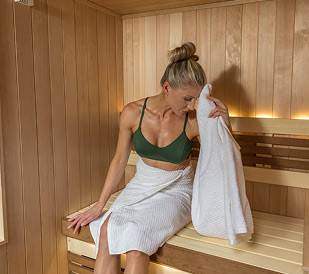
Sauna and Cold Plunge: The Ultimate Contrast Therapy Benefits
While cold plunge therapy delivers impressive standalone benefits, combining it with sauna heat creates contrast therapy—a practice with amplified physiological and psychological effects. This sauna and cold plunge combination has been central to Nordic wellness traditions for centuries, and modern research is validating why.
Contrast therapy works through the repeated cycle of vasodilation (blood vessel expansion from heat) and vasoconstriction (blood vessel constriction from cold). This alternating pattern creates what researchers describe as a “vascular workout,” strengthening your cardiovascular system’s ability to regulate blood flow. Studies have shown that this practice can support healthy blood pressure regulation and improve overall circulatory efficiency.
For recovery and performance, the contrast between temperatures offers unique advantages. The sauna’s heat (typically 150-195°F or 65-90°C) relaxes muscles, increases blood flow to tissues, and promotes the release of heat shock proteins that support cellular repair. Following this with cold immersion reduces inflammation and flushes metabolic waste products from tissues. Athletes have long used this protocol to accelerate recovery, but you don’t need to be training for competition to benefit from reduced muscle soreness and improved flexibility.
The mental benefits of contrast therapy may be even more profound than the physical ones. The practice demands complete present-moment awareness—you cannot think about your to-do list or ruminate on problems while managing the intense sensations of extreme temperature. This forced mindfulness, combined with the neurochemical responses to both heat and cold, creates a powerful stress resilience training program. Many practitioners describe the ritual as meditative, a structured way to practice discomfort tolerance and mental discipline.
Making Cold Plunge Benefits Accessible and Sustainable
Starting a cold exposure therapy practice requires strategy, not just courage. The goal is building sustainable habit, not proving toughness through a single heroic plunge.
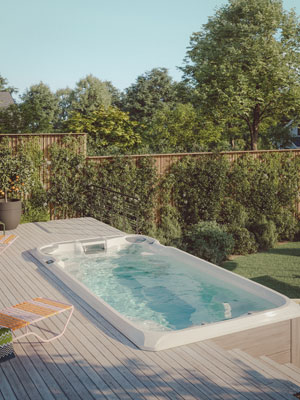
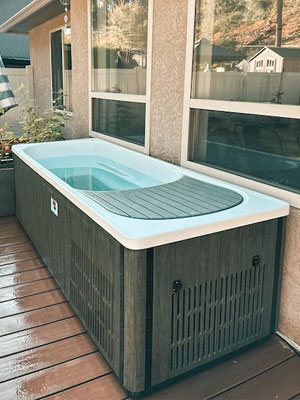
Begin conservatively with brief exposures of 30 seconds to two minutes. Even this short duration triggers beneficial physiological responses. Focus on controlling your breathing—the initial cold shock triggers rapid breathing, but consciously slowing your breath activates your parasympathetic nervous system and makes the experience more manageable. Experts recommend temperatures between 50-59°F (10-15°C) for therapeutic benefit without excessive risk. If using an adjustable system, you can start warmer and gradually decrease temperature as you adapt.
Recognize the warning signs that indicate it’s time to exit. Excessive shivering, numbness in extremities, difficulty thinking clearly, or feeling uncomfortably cold rather than uncomfortably cool all suggest you’ve reached your limit. Safety always supersedes ambition—hypothermia and cold shock are real risks when approaching the practice recklessly.
Building consistency matters more than duration or temperature extremes. Start with 2-3 sessions weekly and establish a routine that fits your lifestyle. Some people prefer morning cold plunges for the energizing, alertness-boosting effects, while others use evening sessions as a way to activate recovery processes before sleep. Track how you feel across sessions rather than obsessing over exact temperatures or seconds—the subjective experience of improved mood, energy, and resilience is what ultimately determines whether the practice serves you.
Set realistic expectations for the adaptation period. The first two to four weeks feel challenging as your body learns to respond efficiently to cold stress. Initial sessions might leave you feeling chilled for 30-60 minutes afterward, but as brown fat becomes more active and your thermoregulation improves, you’ll recover more quickly and may even experience a warming sensation shortly after exiting. Individual responses vary significantly—some people adapt within days while others need several weeks, and both timelines are completely normal.
Your Foundation for Year-Round Resilience
Cold plunge therapy represents more than a wellness trend—it’s a scientifically-supported practice for building physical and mental resilience. The convergence of improved circulation, immune support, enhanced mood, and metabolic benefits makes cold exposure therapy one of the most comprehensive interventions available for overall health.
Winter’s timing amplifies these benefits precisely when we need them most. Shorter days, increased illness exposure, reduced physical activity, and the psychological challenges of cold, dark months all find counterbalance in deliberate cold exposure. Rather than waiting for summer to begin, starting your practice now means you’ll enter spring already adapted and reaping the full rewards.
If you’re ready to experience the transformative effects of cold exposure therapy, visit any Sundance Spa & Sauna Store location to explore cold plunge options that fit your space and goals. Come in and see us at any of our 6 locations (Burlington, Hamilton, Mississauga, Oakville, St. Catharines & Vaughan) to discuss your winter hot tub maintenance needs. Our experienced team can help you prepare your Sundance Spa for peak winter performance and ensure you enjoy worry-free soaking all season long.