
Boost Your Winter Wellness: Using Your Sauna During Cold & Flu Season
-
Share
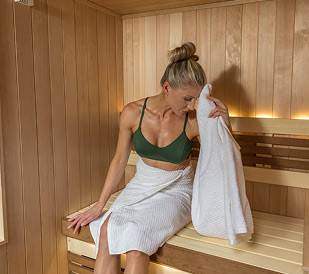
January brings more than just snow and freezing temperatures—it marks the peak of cold and flu season when viruses circulate through offices, schools, and public transit with ruthless efficiency. While hand-washing and adequate sleep form the foundation of staying healthy, many people overlook a powerful proactive wellness tool that’s been used for centuries: the sauna.
Regular sauna use offers science-backed sauna immune system benefits that can help support your body’s natural defenses during the months when you need them most. By understanding how heat exposure affects circulation, stress hormones, and immune response, you can make your sauna an integral part of your winter wellness sauna routine.
The Science Behind Sauna and Immune Function
Your immune system works overtime during winter months, constantly encountering pathogens while also managing the stress of cold weather, reduced sunlight, and the physical demands of navigating icy conditions. When you step into a sauna, you’re not just enjoying pleasant warmth—you’re triggering a cascade of physiological responses that can support immune function.
The key mechanisms include:
- Increased circulation that helps distribute immune cells throughout your body
- Stress hormone reduction that prevents immune suppression
- Controlled heat exposure that mimics some beneficial aspects of fever
It’s crucial to understand that sauna use supports overall wellness and may help maintain immune function, but it is not a cure or treatment for any illness. Think of it as one component of a comprehensive approach to health that includes proper nutrition, adequate sleep, regular exercise, and good hygiene practices. The benefits come from consistent use when you’re healthy, not from attempting to “sweat out” an illness once you’re already sick.
Enhanced Circulation Delivers Immune Support
When you sit in a sauna, your body responds to the heat by increasing heart rate and dilating blood vessels to cool itself—essentially giving your cardiovascular system a workout without physical exercise. This increased circulation means that immune cells, nutrients, and oxygen move through your body more efficiently, reaching tissues that need support.
Research has shown that sauna bathing can have significant effects on the cardiovascular system. According to a study published in the journal Mayo Clinic Proceedings, regular sauna use improves vascular function and may provide cardiovascular benefits similar to moderate physical activity. While this research focused primarily on heart health, the enhanced circulation that supports cardiovascular wellness also facilitates the movement of white blood cells—your immune system’s frontline defenders—throughout your body.
What happens in your body during sauna use:
The heat exposure causes your core body temperature to rise, which triggers increased production of white blood cells. A study published in the Journal of Human Kinetics found that sauna bathing led to increases in white blood cell counts, red blood cell counts, and hemoglobin levels in the participants studied. These cellular changes suggest that regular cold and flu season sauna use may help prime your immune system to respond more effectively when challenged by pathogens.
The cardiovascular effects aren’t just temporary. Consistent sauna use—typically two to four sessions per week—appears to provide cumulative benefits that support overall circulation and potentially immune surveillance. This means your body becomes more efficient at distributing the cellular resources needed to identify and neutralize threats before they develop into full-blown illness.
Creating an “Artificial Fever” Response
Fever is one of your body’s most effective natural defense mechanisms. When pathogens invade, your immune system deliberately raises your body temperature because many viruses and bacteria struggle to replicate in hotter conditions, while immune cells actually function more efficiently at slightly elevated temperatures.
How sauna mimics this protective response:
Sauna bathing creates a controlled hyperthermia—an intentional, temporary elevation of body temperature that mimics some aspects of fever without the presence of illness. According to research from the University of Eastern Finland published in JAMA Internal Medicine, regular sauna use was associated with reduced risk of common colds. While the mechanisms aren’t fully understood, researchers believe that the heat exposure may stimulate immune defenses similar to how natural fever supports recovery.
The heat in a sauna also triggers production of heat shock proteins—molecules that help protect cells from stress and support proper immune function. These proteins assist with cellular repair and may enhance the immune system’s ability to respond to challenges. Traditional cultures from Finland to Japan have recognized these benefits for centuries, using regular heat bathing as a cornerstone of preventive health practices.
Critical timing consideration:
Sauna immune system benefits come from regular use when you’re healthy, allowing your body to build resilience. Once you’re actively sick—especially if you have a fever, feel acutely ill, or are experiencing infection symptoms—sauna use is contraindicated and could potentially worsen your condition or lead to dangerous dehydration. The goal is prevention and immune support, not treatment of active illness.
Stress Reduction Protects Immune Function
Chronic stress is one of the most significant threats to immune health, particularly during dark Ontario winters when seasonal affective patterns compound daily stressors. When you’re stressed, your body produces cortisol—a hormone that, in elevated levels over time, actually suppresses immune function. According to the American Psychological Association, chronic stress can impair the immune system’s ability to respond to threats, making you more vulnerable to illness.
How sauna combats stress-related immune suppression:
Winter wellness sauna sessions offer powerful stress reduction benefits that directly support immune health. The heat activates your parasympathetic nervous system—your body’s “rest and digest” mode—which counters the “fight or flight” stress response. As you relax in the sauna’s warmth, cortisol levels decrease while your body releases endorphins that promote feelings of wellbeing.
Sleep quality, which is intimately connected to immune function, also improves with regular sauna use. The temperature drop your body experiences after leaving a sauna may help facilitate deeper, more restorative sleep. Since the immune system performs crucial maintenance and regeneration work during sleep, this improvement in sleep architecture provides another pathway through which sauna use supports your defenses against winter illness.
The mental health benefits matter too. January’s short days and long nights can contribute to mood challenges that manifest as physiological stress. The sauna provides a warm, quiet sanctuary that offers both physical comfort and psychological respite—a combination that supports the mind-body connection essential for optimal immune function.
Practical Guidelines for Cold and Flu Season Sauna Use
Recommended frequency and duration:
To maximize sauna immune system benefits during winter months, consistency matters more than intensity. Most research suggests that two to four sauna sessions per week, each lasting 15-20 minutes at temperatures between 150-195°F (65-90°C), provide optimal wellness support. If you’re new to sauna use, start with shorter sessions at lower temperatures and gradually build tolerance.
Hydration is essential:
Drink water before, during, and after sauna sessions to replace fluids lost through sweating. Winter’s indoor heating and cold outdoor air already dehydrate your body, making proper hydration even more critical. Some sauna users find that adding electrolytes helps maintain proper mineral balance, particularly during longer or more frequent sessions.
When NOT to use the sauna:
- If you have an active fever or feel acutely ill
- When fighting an infection
- During pregnancy (consult your healthcare provider)
- With certain cardiovascular conditions
- After alcohol consumption
- If you have chronic health conditions (discuss with your doctor first)
Post-sauna protocol:
Allow your body to cool down gradually after each session. Some people enjoy a cool shower, while others prefer to simply rest in a comfortable temperature environment. This cool-down period is when much of the stress-reduction benefit occurs, so don’t rush back into your busy day immediately. Consider combining your sauna routine with other wellness practices such as meditation, gentle stretching, or simply quiet reflection to amplify the immune-supporting effects of reduced stress.
Winter Wellness Beyond Immune Support
While immune function is the primary focus during cold and flu season sauna use, the benefits extend to other aspects of winter health:
Respiratory comfort: The humidity in a sauna can provide relief when Ontario’s winter air is particularly dry and harsh on nasal passages and airways.
Improved circulation: The heat improves blood flow to extremities, offering relief if you struggle with constantly cold hands and feet during winter months.
Athletic recovery: For athletes training through winter, sauna sessions support muscle recovery and may help maintain performance despite challenging weather conditions.
Mental wellness: The endorphin release that accompanies sauna use can help counter the mood challenges that many people experience during darker months.
Skin health: Increased circulation and deep pore cleansing through sweating can be particularly valuable when winter weather wreaks havoc on your complexion.
For families with home saunas, the wellness benefits extend to creating shared rituals around health and relaxation—teaching children that taking care of their bodies is both important and enjoyable, while providing quality time together that doesn’t involve screens or distractions.
Take Control of Your Winter Health
Cold and flu season doesn’t have to mean resigned acceptance of inevitable illness. By incorporating regular sauna use into your winter routine, you’re taking a proactive approach to supporting your immune system through enhanced circulation, stress reduction, and the beneficial effects of controlled heat exposure. These sauna immune system benefits, combined with proper nutrition, adequate sleep, regular exercise, and good hygiene, create a comprehensive defense strategy that positions you to thrive rather than merely survive Ontario’s challenging winter months.
Remember that a sauna is a wellness tool, not a medical treatment. If you have specific health concerns or chronic conditions, consult with your healthcare provider before beginning regular sauna use. But for most healthy adults, making winter wellness sauna sessions a consistent part of your routine offers a time-tested, science-supported way to support your body’s natural defenses precisely when you need them most.
Don’t let winter be something you simply endure—make it an opportunity to invest in your long-term health and wellbeing.
Visit any of our Sundance Spa & Sauna Store locations to create the perfect backyard entertaining experience.