Your Guide to Winterizing Your Hot Tub for Peak Performance
-
Share
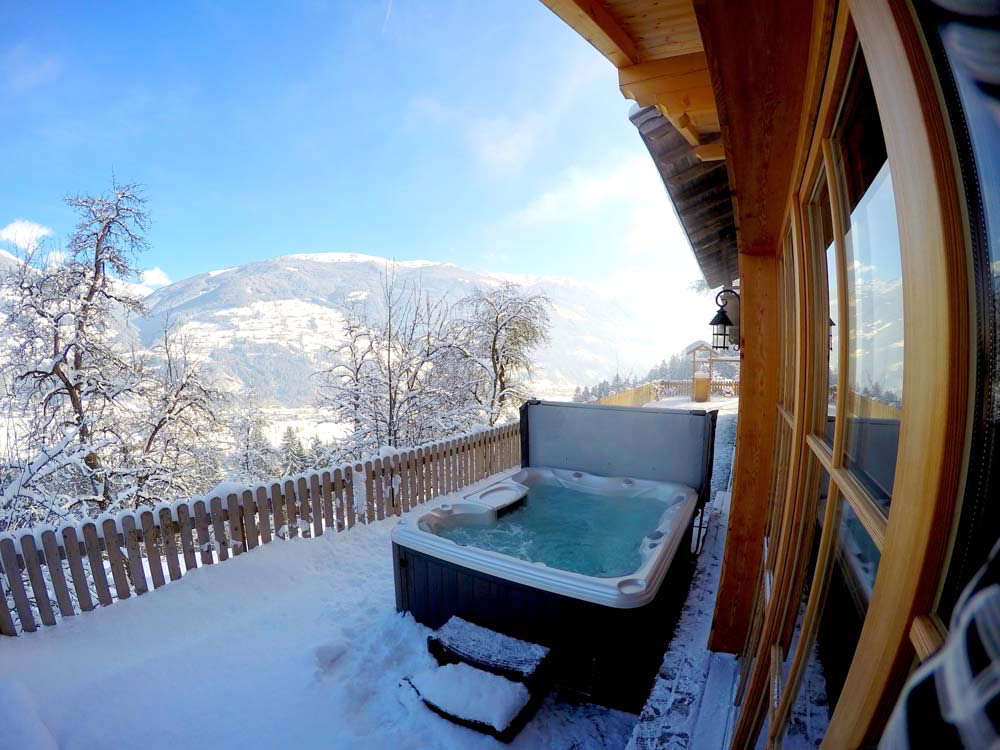
November marks the transition into winter, making it the critical time for proper hot tub preparation. While many assume winterization means draining and closing their spa for the season, the reality for most hot tub owners is quite different. Winterizing hot tub systems for cold weather is about optimizing your equipment to perform reliably and efficiently through months of freezing temperatures, snow, and ice.
Proper winter hot tub preparation protects your investment from costly freeze damage, reduces energy consumption during the coldest months, and ensures you can enjoy your spa worry-free all season long.
This comprehensive guide covers everything from essential freeze protection strategies to energy optimization techniques, along with practical checklists you can implement immediately to prepare your hot tub for peak winter performance.
Understanding Freeze Protection Basics
Hot tub freeze protection is absolutely critical to preventing equipment damage that can cost thousands of dollars in repairs. When water freezes, it expands, and this expansion can crack pipes, damage pumps, and destroy heaters and other components. Understanding how your spa protects itself from freezing temperatures is the foundation of effective cold weather spa care.
Modern hot tubs are engineered to withstand cold temperatures when properly maintained and powered. Most quality spas feature automatic freeze protection modes that activate circulation pumps when temperatures drop to critical levels, typically around 4-7°C (39-45°F). These circulation systems keep water moving through the plumbing, preventing ice formation even when outdoor temperatures plummet well below freezing.
The key distinction in winterizing hot tub equipment is whether you’re preparing for continuous winter use or completely draining and closing your spa for the season. Most owners choose to keep their hot tubs running through winter—the contrast between cold air and warm water makes winter soaking particularly enjoyable. If you’re maintaining your spa for winter use, your focus should be on optimization rather than shutdown.
Power outages represent the most significant threat to hot tub freeze protection. Without electricity, circulation pumps can’t run, and standing water in pipes can freeze within hours during severe cold snaps. Warning signs that your freeze protection systems aren’t functioning properly include error codes on your control panel, unusual pump behavior, or the heater failing to maintain temperature during cold weather.
Pre-Winter Equipment Inspection Checklist
Before winter weather arrives in full force, conduct a thorough inspection of all hot tub components. This proactive approach to winter hot tub maintenance helps you identify and address potential issues before they become problems during the coldest months.
Start with your cover, which plays the most significant role in heat retention and energy efficiency. Inspect the entire surface for tears, cracks, or worn areas where heat can escape. Check that the cover fits snugly with no gaps around the edges. A quality, well-fitting cover can be the difference between reasonable and excessive heating costs. If your cover is more than five years old, shows significant wear, or feels waterlogged and heavy, winter is the ideal time to invest in a replacement.
Move to the cabinet and equipment area, examining the exterior for any gaps, cracks, or damage that could allow cold air to reach your equipment. Check that insulation remains intact and that equipment bay doors seal properly. Even small openings can significantly impact energy efficiency and expose equipment to damaging cold.
Inspect all visible plumbing and jets for leaks or drips. Test each jet to ensure proper function—sluggish jets in autumn will only worsen in winter. Look for any exposed pipes, particularly in the equipment area, and ensure they’re properly insulated. Small leaks that seem minor in mild weather can become serious problems when temperatures drop below freezing.
Check all electrical components carefully. Test your GFCI (ground fault circuit interrupter) by pressing the test button—it should trip immediately. Inspect the power cord and all visible connections for wear or damage. Verify that your heater operates correctly and maintains your desired temperature. If any electrical components show signs of problems, address them now before winter demands put additional stress on your system.
Finally, clean or replace your filters as part of your winter hot tub preparation. Clean filters ensure optimal water flow, which is essential for both freeze protection and heating efficiency. Consider keeping a spare filter on hand—winter conditions can make filters work harder, and having a backup prevents downtime if cleaning or replacement becomes necessary mid-season.
Optimizing Energy Efficiency in Cold Weather
Cold weather spa care inevitably means higher energy consumption, but proper optimization can keep costs reasonable while maintaining comfortable water temperatures. The greater the temperature differential between your water and the outside air, the harder your heater must work—but several strategies can minimize this impact.
For winter use, most experts recommend maintaining hot tub temperatures between 36-38°C (97-100°F). This range provides comfortable soaking while being slightly lower than the maximum 40°C (104°F) most spas can reach, reducing heating demands without sacrificing enjoyment.
Your cover management practices dramatically impact energy efficiency. Always keep your cover on when the spa isn’t in use, and consider adding a thermal blanket that floats on the water surface beneath your main cover. This additional insulation layer can significantly reduce heat loss.
Consider your hot tub’s placement and surroundings. Wind significantly increases heat loss, so if possible, position windbreaks or privacy screens to protect your spa from prevailing winter winds. While you can’t relocate an installed spa, you can add strategic barriers. Conversely, if your hot tub receives direct sunlight during winter days, this natural solar heating provides a small but helpful energy offset.
Modern hot tubs typically run circulation pumps on scheduled cycles. These pumps serve double duty: filtering water and maintaining freeze protection. While you shouldn’t disable these essential functions, ensure they’re programmed efficiently based on your usage patterns and local climate demands.
Winter Maintenance Protocol
Winter conditions require adjustments to your regular maintenance routine. Cold temperatures affect water chemistry, physical components, and how you interact with your spa. Adapting your winter hot tub maintenance approach ensures reliable performance throughout the season.
Water chemistry behaves differently in cold weather. While the water itself stays warm, the surrounding cold air affects evaporation rates and how chemicals interact. Test your water at least weekly during winter—more frequently if your spa sees heavy use or experiences extreme temperature swings. Some regions have harder water in winter, which can lead to increased scale buildup on heater elements and plumbing. Stay vigilant about calcium hardness levels and adjust as needed.
Snow and ice management requires careful attention. While your hot tub cover is designed to support some snow load, excessive accumulation can damage the cover or its lifting mechanisms. Remove snow promptly but gently—use a soft brush or foam broom rather than hard shovels that could tear the vinyl. Never attempt to chip or break ice off your cover, as this almost certainly will cause damage.
Keep the area around your spa clear of ice buildup, both for safety and to prevent water from pooling and refreezing against your cabinet. Maintain clear, safe access paths to your hot tub. The last thing you want is to slip on ice while heading to or from your spa.
Your Essential Hot Tub Winterization Checklist
Use this quick-reference checklist to ensure your hot tub is fully prepared for winter. Complete these steps now, before harsh weather arrives:
Cover and Insulation:
- ☐ Inspect cover thoroughly for tears, cracks, and proper fit
- ☐ Replace cover if worn, waterlogged, or more than 5 years old
- ☐ Seal any gaps in cabinet and equipment areas to prevent cold air infiltration
Water Quality:
- ☐ Test and balance water chemistry to establish baseline for winter maintenance
- ☐ Clean or replace filters to ensure optimal water flow through cold months
Equipment Inspection:
- ☐ Check all equipment and plumbing for leaks, damage, or wear
- ☐ Test spa’s freeze protection mode per owner’s manual
- ☐ Verify freeze protection activates properly at low temperatures
- ☐ Verify GFCI and all electrical systems function correctly
Winter Protocols:
- ☐ Establish winter maintenance schedule with increased monitoring frequency
- ☐ Create snow removal protocol for cover and surrounding areas
- ☐ Prepare for potential power outage scenarios
- ☐ Learn how to drain spa quickly if extended power loss threatens freeze damage
- ☐ Keep necessary tools and drainage instructions readily accessible
- ☐ Post emergency contact information for qualified spa technicians in accessible location
Your Spa, Protected and Optimized for Winter
Winter hot tub preparation transforms potential problems into preventable issues. The time you invest now in cold weather spa care pays dividends in lower energy costs, fewer repair calls, and the confidence that comes from knowing your spa is ready for whatever winter brings. Most importantly, proper winterization ensures you can enjoy your hot tub without worry throughout the season when warm, relaxing soaks are most appreciated.
Come in and see us at any of our 6 locations (Burlington, Hamilton, Mississauga, Oakville, St. Catharines & Vaughan) to discuss your winter hot tub maintenance needs. Our experienced team can help you prepare your Sundance Spa for peak winter performance and ensure you enjoy worry-free soaking all season long.